
01 — What to know first
What to know first
The word sauna comes from Finnish, but many cultures have their own forms of sweat bathing. Finnish tradition evolved from simple earth-covered and smoke-filled rooms to chimney stoves, electric heaters and modern public architecture. Russian banyas and Indigenous sweat ceremonies have their own histories and should not be merged into one marketing story.
The heart of the Finnish sauna is löyly — steam and the sensation that arises after pouring water on hot stones. However, etiquette is equally important: calmness, cleanliness, respect for others and the ability to get out of the heat as needed.
02 — Expert sources
What the expert sources show
Finnish sauna culture is an intangible heritage
UNESCO inscribed it on the Representative List of the Intangible Cultural Heritage of Humanity in 2020. The entry refers not to one type of building, but to living knowledge, rituals, löyly and the transmission of tradition within families and communities.
Open source · UNESCOThe heater reflects the sauna's technological evolution
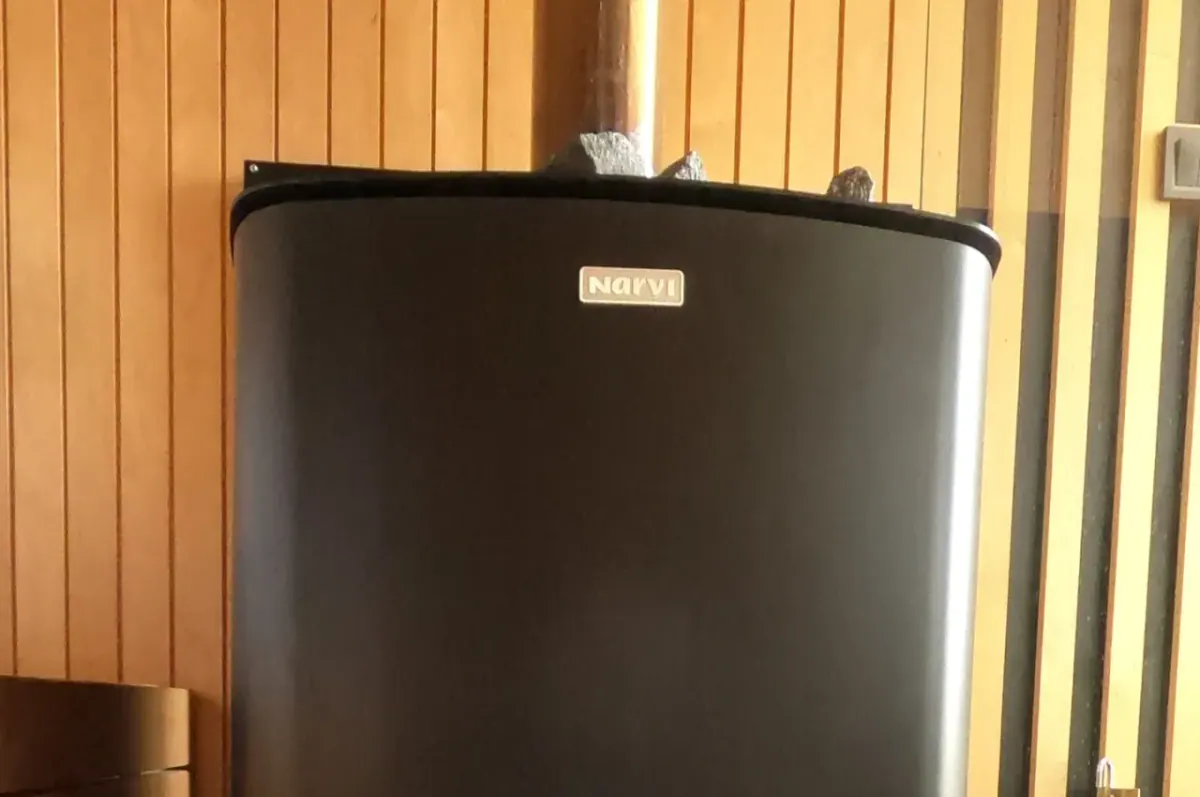
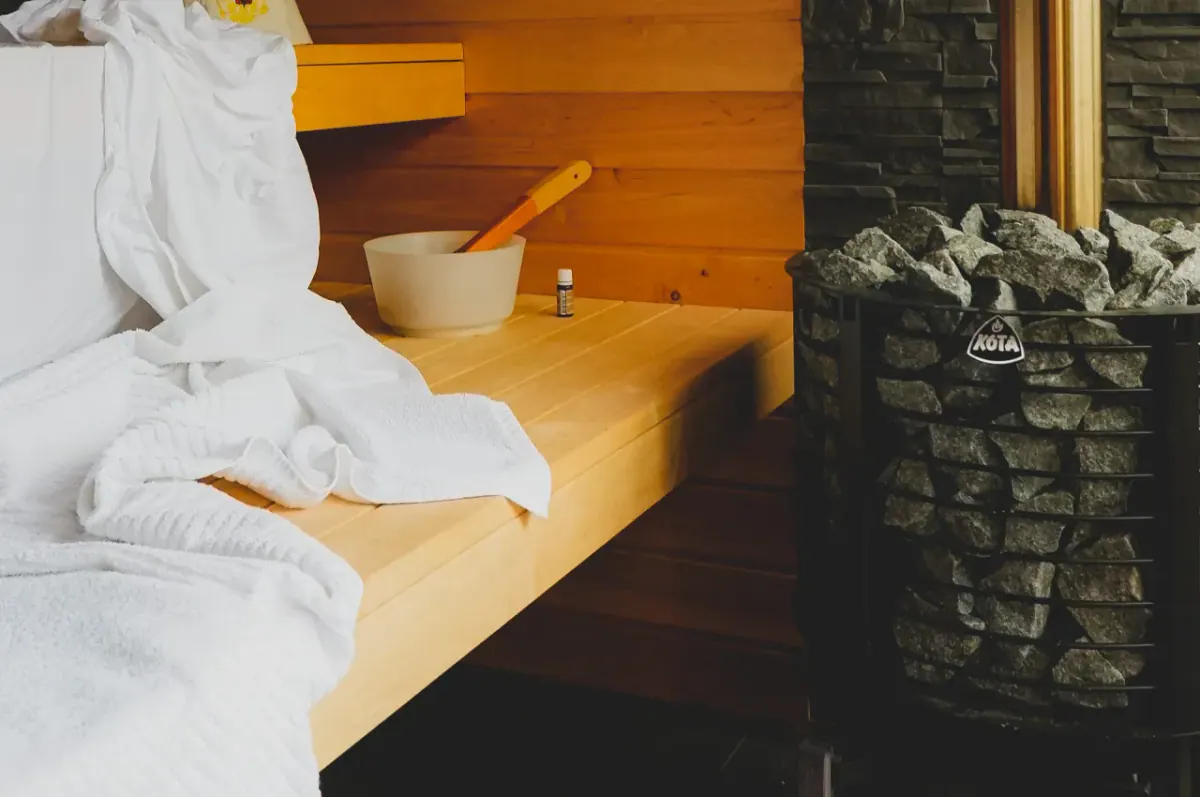
The Finnish Sauna Society's overview explains smoke, heat-storage, continuously heated and electric heaters. Each requires different preparation and creates a different character of heat, while the stones remain central to löyly.
Open source · Finnish Sauna Society03 — Practical context
How to use this in practice
- 01
From smoke to chimney
A smoke sauna has no conventional chimney and is heated before bathing begins. Later stoves carried flue gases outside and made continuous heating easier.
- 02
From privacy to community and back
Historically, saunas were used in family, village and public settings. A modern private sauna restores intimacy while remaining a meeting place for people close to you.
- 03
A ritual without fixed dogma
Temperature, nudity, cooling down and the number of rounds vary by country and community. Respect matters more than the idea of one 'correct' ceremony.
04 — Related video
A related video
05 — When to be cautious
When to be cautious
Romanticising the past
The historical sauna was a practical part of life, not always a luxurious or perfectly hygienic space.
Appropriation of foreign traditions
The banya, temazcal and other sweat-bathing traditions have their own cultural and spiritual contexts.
Authenticity as competition
Neither an electric heater nor modern design makes the experience less meaningful. How the space is used and how people are treated matters more.
This article is for information. Verify technical and operational decisions against the documentation for the specific product, applicable regulations and professional installation requirements.
06 — Summary
The key points
The history of the sauna is not a linear story of one invention. Finnish culture has created a special, still living tradition associated with löyly, family and community; UNESCO protects this very practice and its transmission.
When you close the sauna door today, you are entering a very old idea: to slow down for a while, warm up and be together without the roles we wear outside.
Experience tradition in a contemporary space
Pixxla combines a simple sauna ritual with nature, privacy and today's comfort.